Stop sonicating one sample at a time. Process all 96 in one run.
PIXUL is the only sonicator that processes 96 samples at once, truly in parallel, not sequentially. It shears chromatin, DNA, RNA, and protein in a standard $2 microplate in 10 to 30 minutes, with identical results in every well.
Every sample. Every well. Every time.
Life science experiments scaled. Mechanical shearing hasn't.
Life science research is scaling: larger cohorts, more conditions, multi-omics, precision medicine. But the foundational step, mechanical shearing, hasn't evolved in decades.
The ideal solution would process all your samples at once, 96 in parallel, not sequentially. It would deliver identical shearing in every well, validated in peer-reviewed publications. It would use standard consumables, not proprietary ones at $400 per plate. And it would work across all your applications (chromatin, DNA, RNA, protein, FFPE) so you invest in one instrument, not three.
Built to solve three problems at once
PIXUL was engineered by researchers at the University of Washington who needed throughput, consistency, and freedom from proprietary consumables in one instrument.
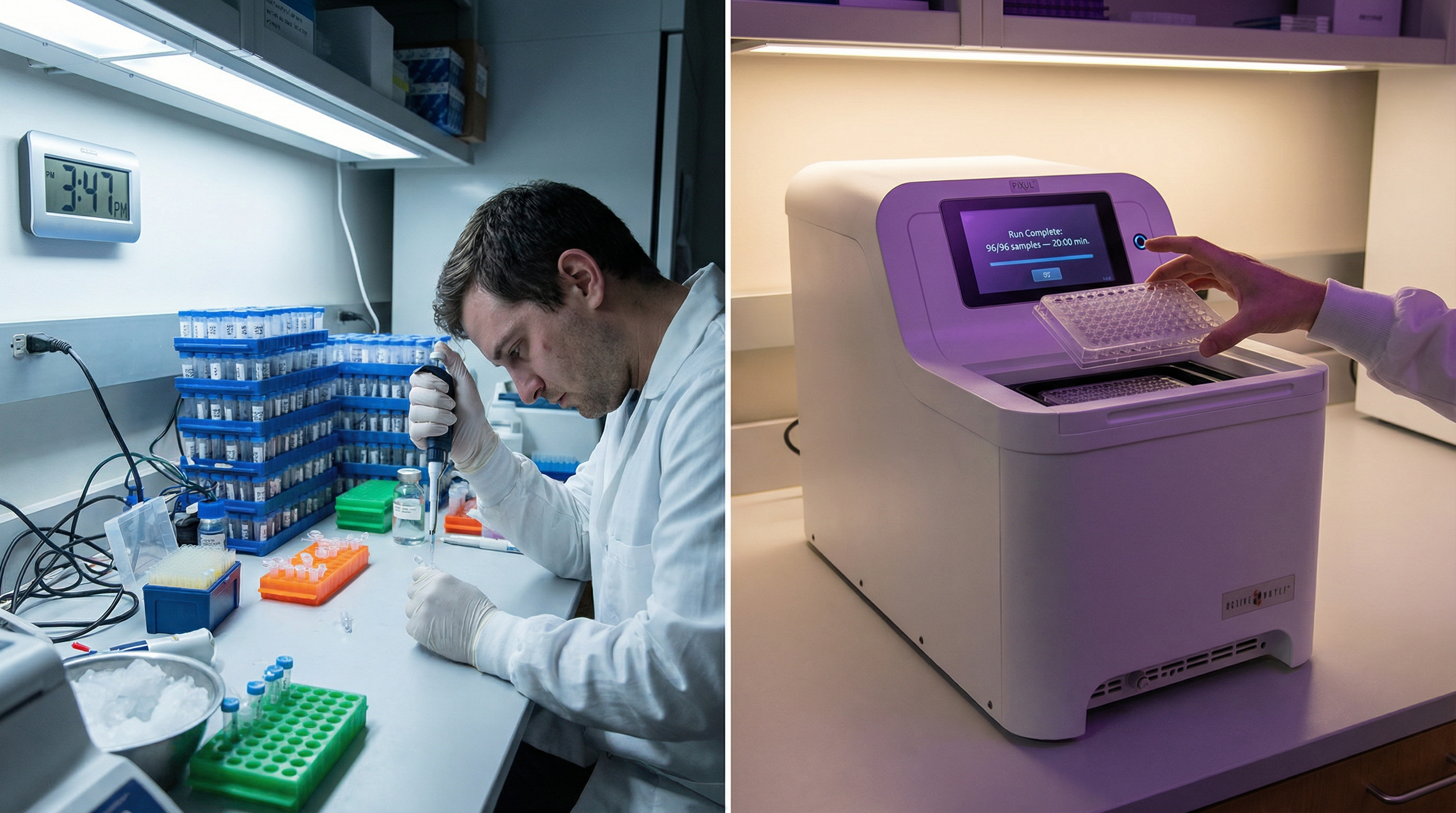
96 samples in 10 to 30 minutes vs. 7+ hours
PIXUL's arrayed transducers shear your entire experiment simultaneously. Culture, fix, and sonicate in the same plate with no sample transfers and no waiting.
307 ± 35 bp across all 96 wells (NAR 2019)
2 MHz megasonication delivers uniform cavitation with no hot spots and no cold spots. Tighter fragment distributions than focused ultrasonicators in published head-to-head comparisons.
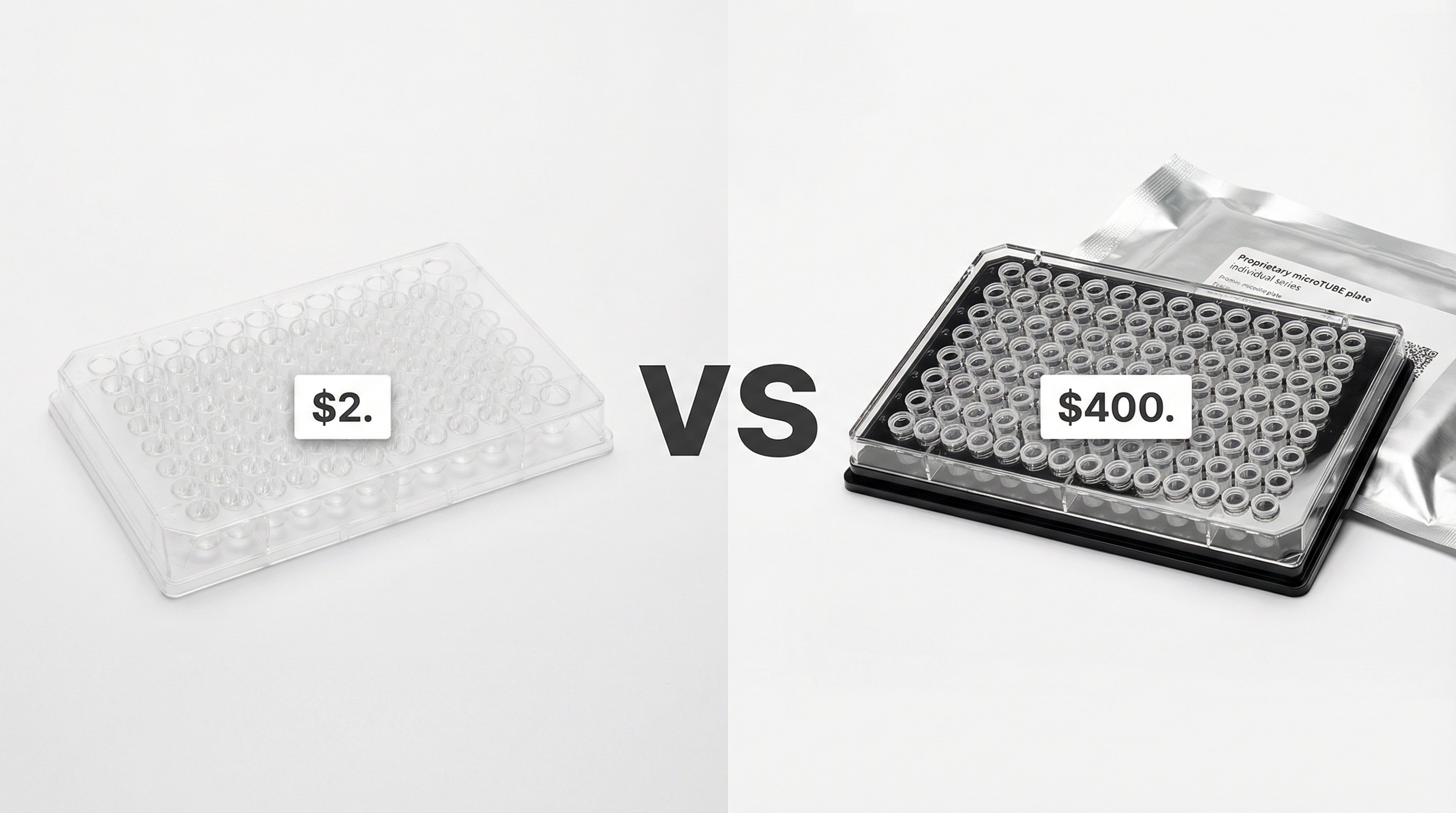
$2 per plate vs. ~$400 proprietary consumables
Standard round-bottom 96-well plates. No vendor lock-in. A busy lab running 3 plates per week saves over $60,000 per year in consumables alone, more than the cost of the instrument.
Chromatin. DNA. RNA. Protein. FFPE. cfDNA. One instrument.
PIXUL is the upstream sample preparation engine for your entire lab. Validated across six application areas with peer-reviewed publications and direct integration with Active Motif's downstream kits.
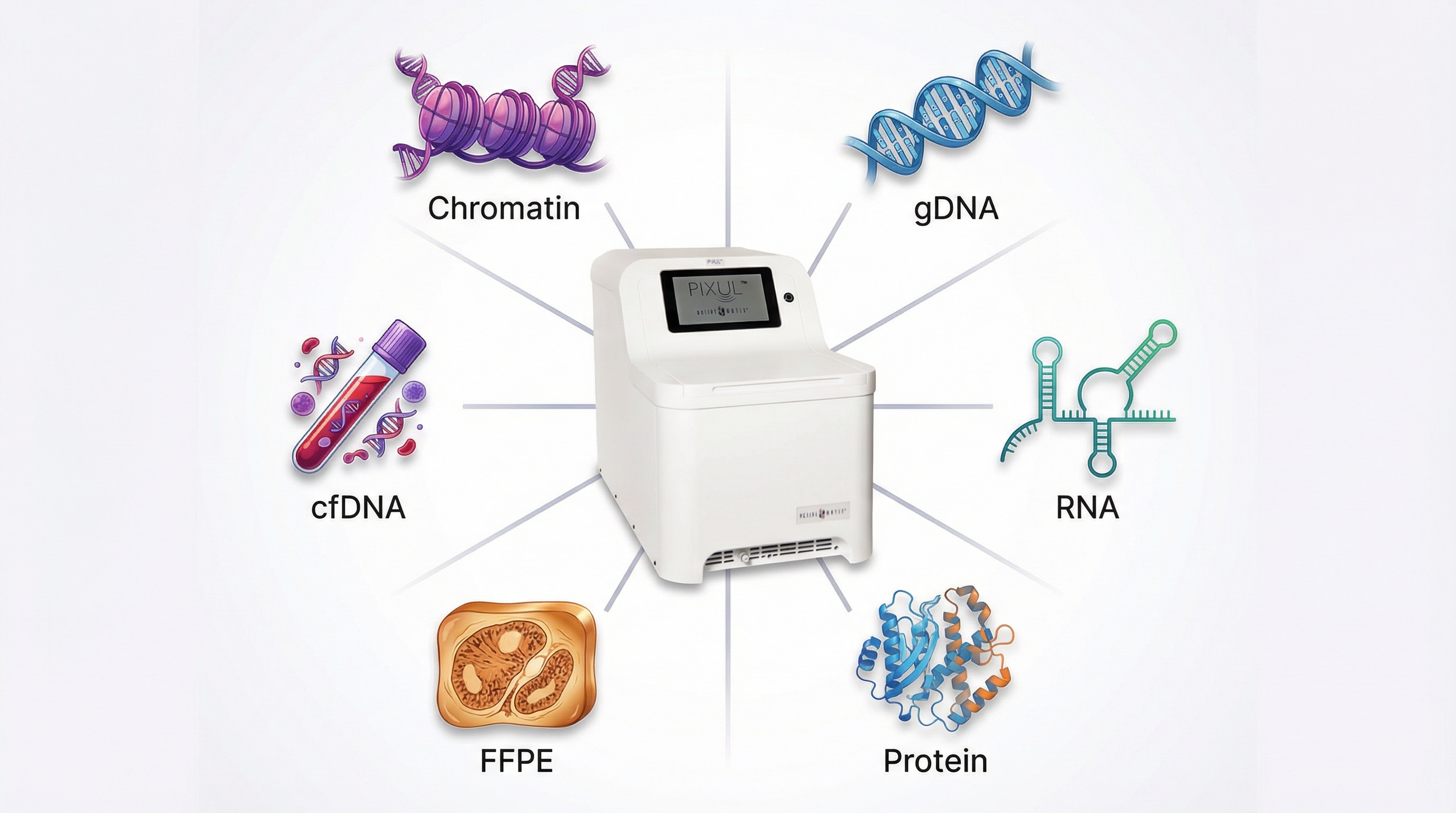
Purpose-built for your workflow
One-third of PIXUL installations serve proteomics, one-third epigenetics, and one-third genomics. That balanced adoption reflects genuine platform versatility.
Proteomics & Mass Spectrometry
Integrated with S-Trap and SP3 workflows for direct LC-MS/MS sample preparation. Process entire cohorts in a single plate.
Epigenetics & Chromatin Biology
ChIP-Seq, ATAC-Seq, and chromatin shearing at 96-well scale. Culture, fix, and sonicate in the same plate with no sample transfers.
Genomics & NGS Library Prep
DNA shearing for whole genome sequencing, NGS library preparation, and cell-free DNA processing from clinical specimens.
How PIXUL compares
An honest comparison across the four major approaches to mechanical shearing. Data sourced from peer-reviewed publications and manufacturer specifications.
| Feature | PIXUL | Probe Sonicators | Water Bath Sonicators | Focused Ultrasonicators |
|---|---|---|---|---|
| Throughput | 96 samples simultaneously | 1 sample at a time | 6–12 samples per run | Sequential (7+ hrs for 96) |
| Consumable Cost | ~$2 per plate (standard) | ~$0.10 per tube | ~$5–10 per batch | ~$400 per plate (proprietary) |
| Fragment Consistency | 307 ± 35 bp (all 96 wells) | Operator-dependent | Good (within 6–12 samples) | 532 ± 77 bp (tubes) |
| Vendor Lock-in | None, standard plates | None | Moderate | High ($400 proprietary plates) |
| Walk-Away Operation | Yes, touchscreen, unattended | No, manual, hands-on | Partial | Yes |
| Application Range | 6+ (chromatin, DNA, RNA, protein, FFPE, cfDNA) | Limited | Primarily chromatin | Broad |
What scientists are saying
I'm pleased to report that the PIXUL system has been outstanding in our hands. We've seen much better resolution, an increased number of differentially regulated genomic regions, and highly reproducible results.
Since the first time I sonicated my samples and got expected results in ~30 min, I don't want to look back at those days when I had to hold my tube and be seated for hours sonicating all my samples one by one.
Built by researchers who couldn't find what they needed. Dr. Karol Bomsztyk at the University of Washington had developed Matrix-ChIP to accelerate chromatin immunoprecipitation, but sonication remained the bottleneck. Teaming up with ultrasound physicist Dr. Tom Matula, they engineered a new class of instrument: arrayed 2 MHz transducers that shear all 96 wells simultaneously. Active Motif licensed the technology for global commercialization.
Ready to process 96 samples at once?
Request a personalized quote or try PIXUL with your own samples through our remote evaluation program.